Scarred Truth
Eight true patterns · names changed

Eight women lost themselves a different way — and each one found the way back.

Real people Zane has sat with (names and details changed to protect them). Two of them are his own.

The Invisible One Zane's own story

The Man Who Went Quiet

“You stopped speaking up because it was easier. Now you wonder if anyone would notice you gone.”

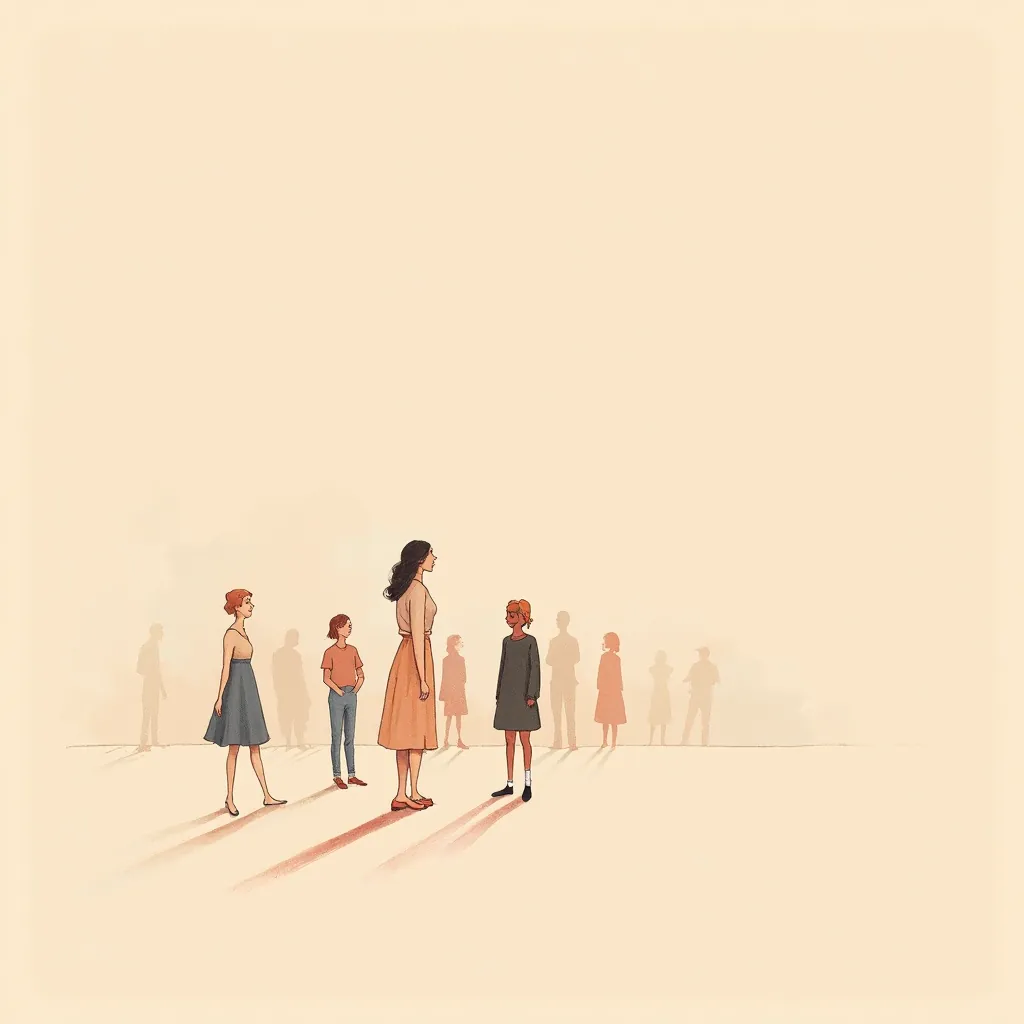
You're at the dinner. Somebody else's house, your people, the table loud. You said one thing earlier and it landed in the middle of the room and nobody picked it up. So now you just pass the rolls. You laugh when they laugh. And you have this quiet thought: if I got up and walked out right now, how long before anyone looked at my chair.

This one's mine.

Not the same shape as yours. But the same feeling. I know what it is to be in a room full of people and feel like a coat hanging on the back of the door.

When my marriage ended, I didn't fall apart in front of anyone. I wish I could tell you I did. I just got smaller. I stopped saying what I thought. I stopped picking up the phone. People would ask how I was and I'd say good, good, and change the subject, because my pain felt like too much to put on a table. So I carried it alone. And carrying it alone for two, three years, I went so quiet I started to disappear. I'd sit at my own family's table and feel like a guest. I told myself that was strength. Keeping it in. Not being a burden. It wasn't strength. It was a man slowly vanishing and calling it manners.

The day it cracked wasn't loud. I was at a cookout, my brother's place, and a kid — maybe four — climbed up in the empty chair next to me and just started talking to me about his dinosaur. Full sentences. Big eyes. He saw me. Nobody at that table had really looked at me in a year, and this kid sat down and decided I was worth telling about a dinosaur. I went out to my truck after and sat there a while. I wasn't sad. I was just tired of being a ghost in my own life.

So here's the first thing I did, and it's so small you'll think it doesn't count. I stopped hiding behind my phone. That was it. When I walked into a room, instead of looking down at a screen so nobody could land on me, I left it in my pocket and I let myself be in the room. Scary as anything. But baby steps are real steps.

The climb was wobbly. Some days I'd say one true thing and then drive home cringing for an hour. Some days I went right back to the corner. I didn't decide to put it down all at once — I just got too tired to keep holding the disappearing. What kept me going wasn't a big feeling. It was a few people I let back in, one at a time, and God, who was the floor under me the whole time even when I couldn't feel the floor.

Who am I now. I take up the space I'm standing in. I say the thing. Not loud — I was never loud — but I'm here, and people know it when I walk in, because I let them. I didn't realize how much I'd missed being a person in a room until I was one again.

The lesson is this: you didn't lose yourself in one big moment. You went quiet to stay safe, one swallowed sentence at a time. And you come back the same way — one small thing you let people see.

If that dinner-table feeling is yours, come talk to me. Start the free 7-Day Reset and I'll walk it with you — not to make you louder, just to get you back in the room. The version of you who says the thing, who fills her own chair, who walks in and is felt. She's not gone. She just went quiet. We get her back one step at a time.

What it taught her

You didn't lose yourself all at once — you went quiet one swallowed sentence at a time, and you come back the same way.

Who she is now

You walk into a room and take up the space you're standing in — seen, here, no longer a ghost in your own life.

Come talk to me — start the free 7-Day Reset, and let's get you back in the room, one small step at a time.

Find which one is you → Talk to Zane
The One Who Lost Herself

The woman who couldn't answer one question

“Someone asked what she likes to do for fun. She sat there with nothing to say.”

A woman at a party asked her a simple thing. "So what do you like to do for fun?" And she just sat there. Nothing came. She knew the kids' schedules by heart. She knew her husband's coffee order. She could not name one single thing that was hers. She laughed it off and changed the subject. But she drove home that night feeling like a stranger in her own car.

I'll call her Carla. That's not her real name. I changed it.

Carla didn't fall apart in some big way. That's the thing about this. There was no fire, no big fight. She just gave herself away one yes at a time. She became a wife. Then a mom. Then the one everybody leaned on. And every time someone needed her, she handed over another little piece. She didn't notice it leaving. You never do. You just look up one day and the person who used to read books and dance in the kitchen is gone, and a tired woman in a minivan is sitting where she used to be.

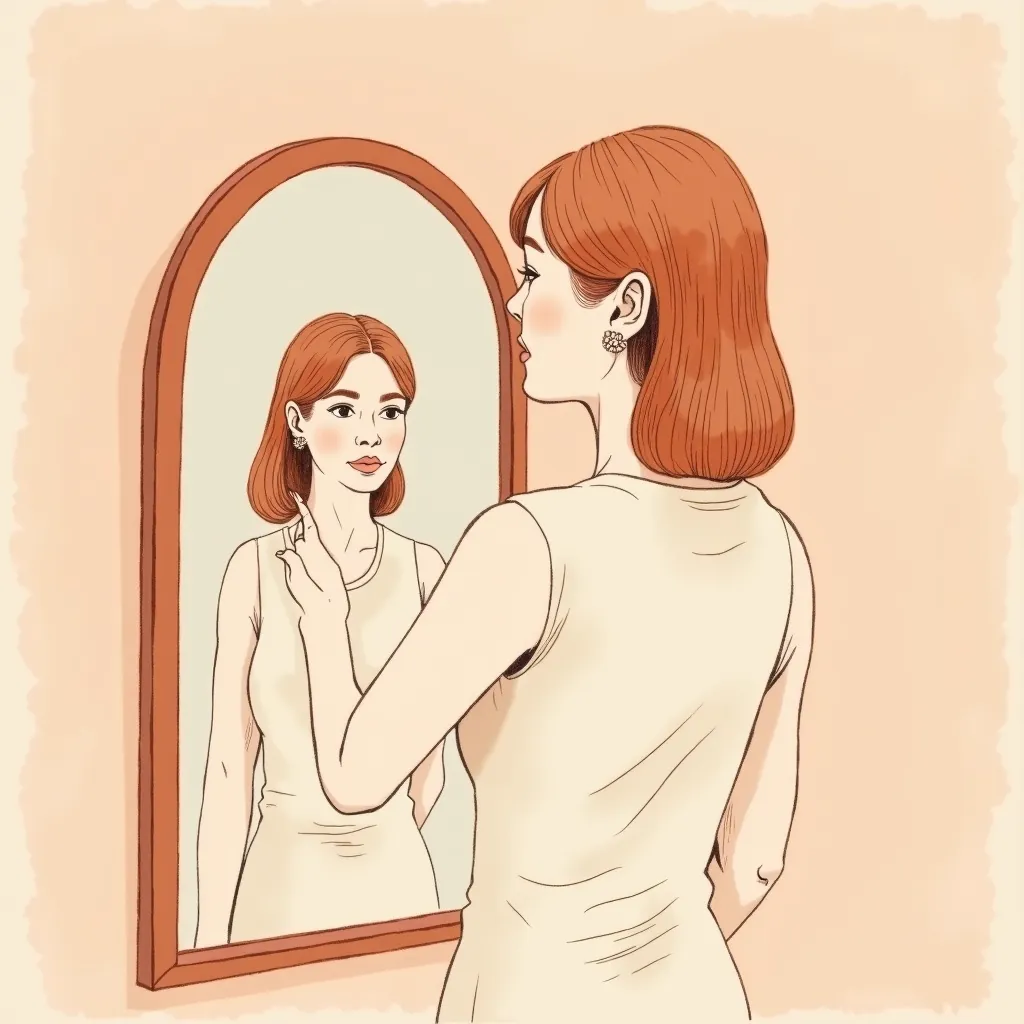
The daily cost was quiet. Sundays were the worst. The house would go still and she'd feel this empty hum, like a room nobody lives in. She'd look in the mirror and not know the face looking back. She told me, "I don't know who I am anymore." She wasn't being dramatic. She meant it flat, like reporting the weather.

The turn wasn't loud either. One afternoon she had twenty minutes with nothing to do. No one needed her. And instead of feeling free, she felt scared. Because she had no idea what she even wanted. That little scare was the crack. She finally saw it: she'd been calling this "being a good mom" when really she'd just been disappearing.

So I gave her one job. Not some big plan. Not go fix your whole life. Just this: pick up one old thing you used to love, and do it for ten minutes. That's it. She remembered she used to read. There were books on her shelf she'd never even opened. So she read ten minutes a night. Some nights five. Some nights she fell asleep on page one. Worst-day-proof. Ten minutes, in bed, lights low. Nobody had to know.

The climb was wobbly. She'd skip three nights and feel like a failure. She'd start a book and hate it and quit. Then she added a song while she cooked — one she loved at twenty — and one night her daughter caught her swaying at the stove and laughed, and Carla laughed too, and it felt like running into an old friend. That's how it goes. Not a straight line. A few steps, a stumble, one more step. The small stuff snowballs if you let it.

A year on, Carla isn't a brand new woman. She's the old one, dug back out. She reads. She dances bad in the kitchen. When somebody asks what she likes, she has an answer now, and it's hers. She told me, "I didn't know how much I missed me." She became someone she could actually like being around again.

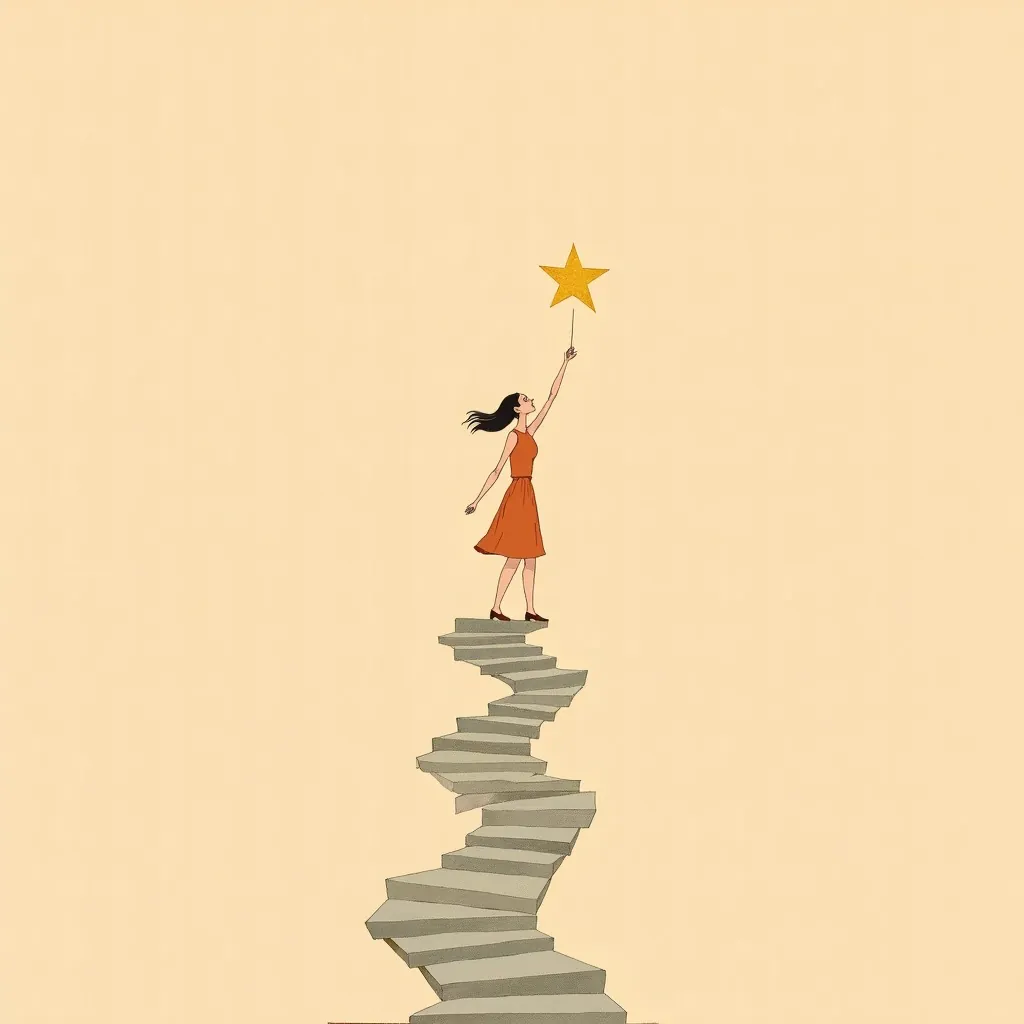
Here's the one thing I want you to keep: she was never really lost. She was buried. You don't have to go searching for some new you. You just start digging the old one back up, one small thing at a time.

God didn't make you to vanish into everyone else's needs. He left her in there the whole time, waiting.

What it taught her

You're not lost. You got buried. You dig yourself back out one small thing at a time.

Who she is now

She reads again, dances in her kitchen, and when someone asks what she likes, she finally has an answer that's hers.

Talk to Zane, or start the free 7-Day Reset — and pick up the one old piece of you that's still in there waiting.

Find which one is you → Talk to Zane

The Never-Enough One

The Woman Who Couldn't Rest

“You finished the thing. And all you can feel is the one part you got wrong.”

She got the promotion. Walked to her car. Sat there in the dark with the engine off.

And all she could think about was the one slide she'd rushed. The typo nobody caught but her. By the time she got home she wasn't proud. She was already listing what to fix tomorrow.

Her name was Lynn. That's not her real name, but the rest of this is true.

Lynn grew up in a house where good was never the word that came back. She'd bring home a 95 and her dad would ask about the 5. She learned the math early: I'm okay if I'm doing well. So she did well her whole life.

The problem was the line kept moving. She'd hit the goal and the goal would slide further out the second she touched it. A good year wasn't a good enough year. She rewrote the same email three times. She stayed late while the office emptied. She couldn't sit through a movie without her hand reaching for her phone, because resting felt like falling behind, and falling behind felt like proving the thing she'd been told as a girl. That she wasn't quite enough.

She was tired in a way sleep didn't touch. But she called it being strong. She called it a good work ethic. She wore the exhaustion like proof she was a good person.

The turn wasn't dramatic. It rarely is.

She was forty-one, at the sink at 11pm doing dishes that could have waited, and she caught herself thinking: if I keep going like this, five more years pass and nothing changes. Except I'll be more tired. She put the plate down. Her hands were shaking and she didn't know why. That was the night she stopped calling it strong.

When we first talked, she didn't want a system. She'd tried systems. She wanted permission. So I gave her one thing, and it was almost insultingly small.

Sit down for ten minutes after work. Don't earn it. Don't finish anything first. Just sit. And when the voice says you're being lazy, let it talk, and stay in the chair.

She hated it. The first week she cried doing it, because sitting still was the loudest her head had ever been. But she kept the chair. One small promise, kept on a bad day. Then another.

The climb was not clean. She'd go three good days, then pull a midnight shift on a report nobody asked for and hate herself the next morning. Quietly she started believing in a God who didn't keep a scorecard the way her father had. That she wasn't a thing she had to win back every single day. Some days that landed. Some days it didn't. She kept the chair anyway.

The Lynn I talk to now still works hard. That didn't change and it didn't need to. What changed is she can finish something and feel it. She got a win at work last month and let herself sit in it for a whole evening. No list. She talks to herself now the way she'd talk to a friend who was trying her best. She is tired sometimes, like everyone. But she is not running anymore.

The lesson is what she said to me near the end, almost surprised: I spent my whole life thinking I had to earn the right to rest. I never had to. I just had to take it.

If you read this and felt that pull, the one that says you can't stop yet, you haven't done enough yet, there's another way to live, and it doesn't mean giving up. Come talk to me, or start the free 7-Day Reset. We'll start with one small thing you can keep, even on your worst day, and build the part of you that knew you were enough before you ever had to prove it.

What it taught her

You don't have to earn the right to rest. You just have to take it.

Who she is now

She still works hard, but she can finish something and feel it now, and she talks to herself like her own best friend instead of her harshest boss.

Come talk to me, or start the free 7-Day Reset — we'll start with one small thing you can keep on your worst day, and rebuild the part of you that was always enough.

Find which one is you → Talk to Zane
The Pleaser Zane's own story

The yes I couldn't take back

“The yes that left your mouth before your brain caught up. Friday night. You're already tired.”

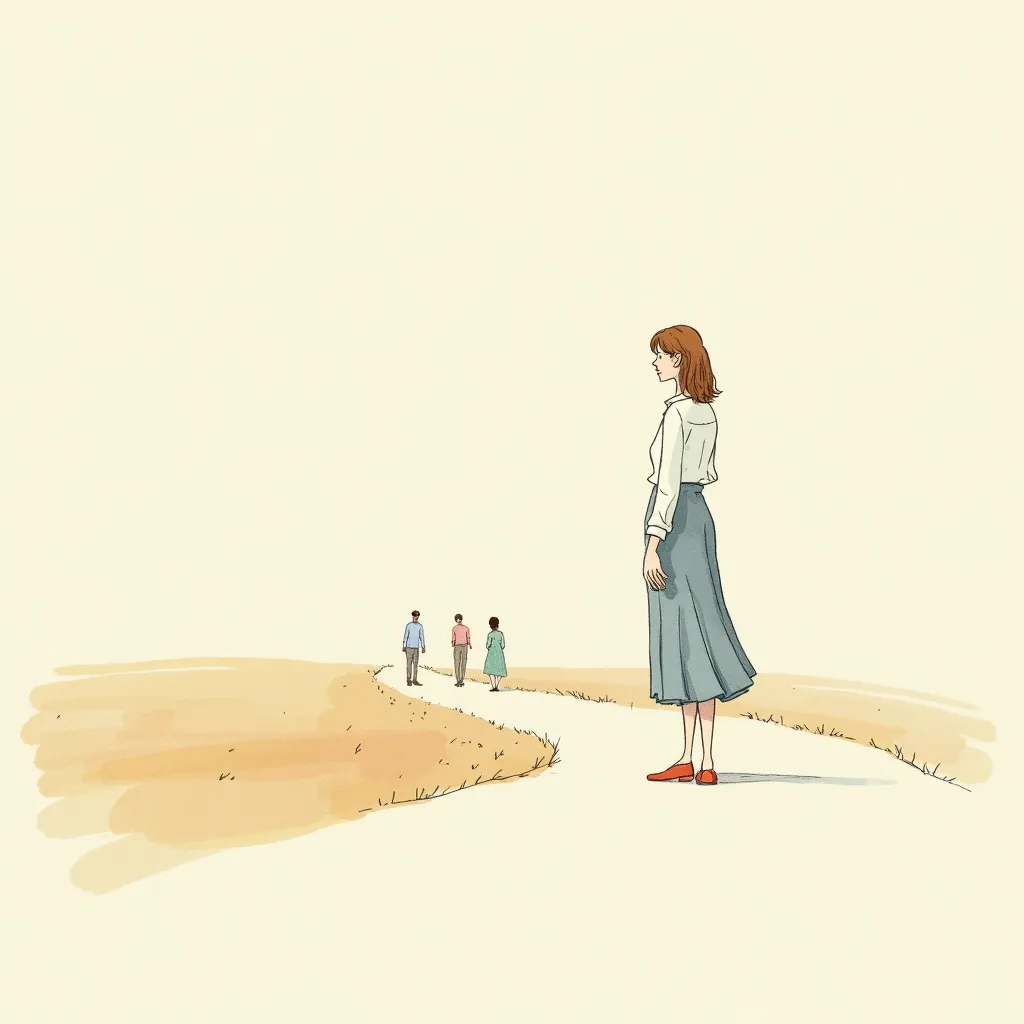
A friend asks for a favor. It's Friday. You're already running on empty. And the yes is out of your mouth before your brain even gets a vote. You feel it the second it lands — that little drop in your stomach. You didn't want to. You said yes anyway. And now you'll be tired and quiet about it all weekend, smiling so nobody knows.

This one's mine.

I grew up in a house where love had a price tag. My dad was a hard man. You didn't get a kind word for being you — you got it for being useful. Quiet. No trouble. So I learned the math early: keep everybody happy, and maybe you get to stay. I was the easy one. The one who never needed anything. I thought that was a good thing about me.

Then I got married. And I ran the same play for years. I made myself smaller so the room stayed calm. I said yes when I meant no. I swallowed what I felt because her bad mood felt like my job to fix. I gave and gave and called it love. The whole time, one thing was running underneath it all: if I stop being easy, she'll leave.

She left anyway.

That's the part that broke something open in me. I'd spent my whole life paying for love I never actually got to keep. All that bending, all that swallowing — it bought me nothing. I just got tired. Bone tired. There's a kind of tired that sleep doesn't touch. I didn't have a big moment where I decided to change. I just ran out of the energy to keep disappearing.

The first thing I did was small. Almost embarrassing. A buddy asked me to drop everything and help him move, again, on a day I'd promised myself. And I said, "I can't this time." That was it. Three words. My hands were shaking like I'd done something terrible. I waited all day for the sky to fall. It didn't. He found someone else. He was fine. And I sat there stunned that the world hadn't ended.

It didn't get clean after that. I'd say no and then apologize three times for it. I'd hold a line for a week and cave on the weekend. Some folks didn't like the new me — a few drifted off, and that stung more than I want to admit. But every small no I survived was a brick. I was building something. A self I hadn't checked on in years.

Who I am now: I can say no and not chase it with a sorry. When I run late, I say "thank you for waiting" instead of "I'm so sorry." I give because I want to, not because I'm scared. And the strange thing nobody warns you about — people didn't leave when I stopped performing. The right ones leaned in. They finally got to meet me.

God was the quiet floor under all of it. Not a fix, not a lecture. Just steady, when I had nothing left. The thing I'd been trying to earn from everybody my whole life, He'd already settled. I didn't have to buy my place anymore.

Here's what I'd tell you, the way I wish somebody had told me: being easy to love is not the same as being loved. The people who only want your yes were never going to stay for your whole heart anyway.

You don't have to keep disappearing to keep people. The ones worth keeping want the real you — the one with a no in her.

What it taught her

Being easy to love is not the same as being loved.

Who she is now

She gives because she wants to, says 'thank you for waiting' instead of 'sorry,' and finds the right people lean in once she stops performing.

Come talk to Zane, or start the free 7-Day Reset — and find out who you are when you finally stop earning everyone's stay.

Find which one is you → Talk to Zane
The Behind-Everyone One

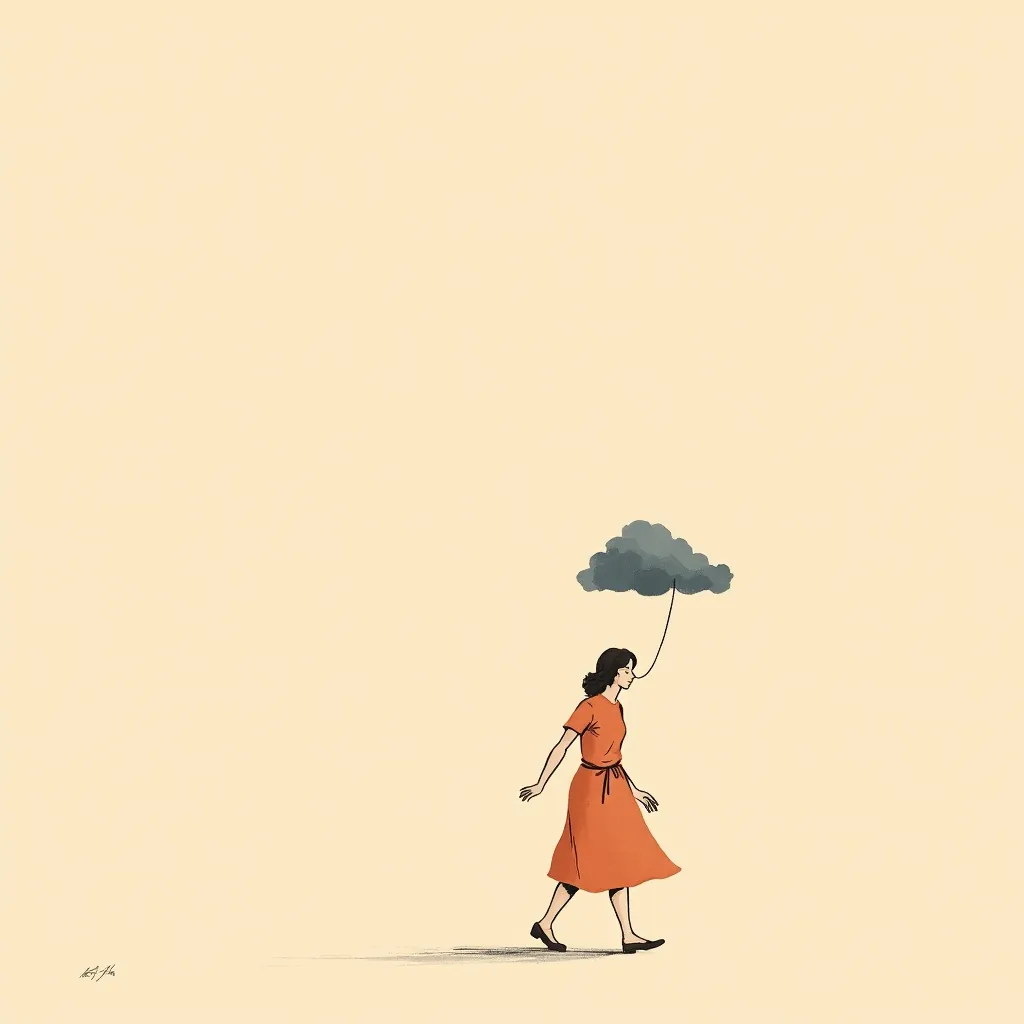
The woman who lived on the scoreboard

“You grab the phone before your feet hit the floor, and everyone's already further along than you.”

You reach for the phone before your feet even hit the floor. You haven't said good morning to anyone. You've already lost.

The screen fills up. Her kitchen. Her trip. Her new title at work. The friend who started over at 39 and looks like she's got it figured out. And there you are, still in the same bed, in the same life, already behind by 7am. You tell yourself it's a highlight reel. You scroll anyway. By the time you put the phone down, the day feels over before it started. And somewhere under all of it, the quiet sentence you never say out loud: I missed my window. Everyone my age is ahead. There's no time left for me.

Let's call her Renee. That's not her real name. She came to me at 41, tired in a way that sleep doesn't fix. Married, two kids most of the way grown, a decent job she felt lucky to even have. From the outside, fine. Inside, a stopwatch that never turned off.

It started young. A sister who did everything first and did it cleaner. A mom who only looked up when one of them won something. So Renee learned to measure. Then the phone came, and the whole world became a room she ranked herself against, every hour. A friend's good news felt like proof she'd fallen behind. She edited her own photos before posting. She told me, "I can't stop measuring, and I lose every time."

The daily cost was small and constant. She'd open the phone and feel beaten before coffee. She stopped going to the reunion, the baby shower, the friend's launch party, because being in the room with people "ahead" of her hurt too much. Her world got smaller while she watched everyone else's get bigger.

The turn didn't come from a pep talk. It came from a number. She did the math one night on what her life would look like in five more years if nothing changed. Same scrolling. Same shrinking. Same stopwatch. And it hit her harder than any fear of trying: the regret of staying like this scared her more than the fear of starting. She wasn't afraid of failing anymore. She was afraid of waking up at 50 having spent another decade watching.

So she did one small thing. She deleted the app. Just one. Off the phone, that night, before she could talk herself out of it. No grand plan. No new program. She told me later it felt almost silly, like it couldn't possibly matter.

It mattered. The mornings got quieter. The first month was wobbly. She reinstalled it twice. She still caught herself measuring. But with the constant scoreboard gone, she had a little room to ask a different question, not "where do I rank," but "what do I actually want today." She started small there too. A walk. One old hobby, sewing, that she'd quit at 28 because it wasn't "productive." She picked it back up. Badly, at first. Then less badly.

Renee is 43 now. She didn't get rich or famous or fix everything. Here's what changed: she's off the scoreboard. She told me last month she wouldn't go back to 25 if you paid her, because back then she didn't know who she was, only where she ranked. She runs on her own clock now. A friend gets good news and she's genuinely glad, no sting. She quietly leans on her faith, says God's been working on her on a slower timeline than the one she was panicking against, and she's learned to trust it. She still has the sewing. She started showing up to the things she used to skip. She's there, in the room, not measuring it.

The window was never the problem. The scoreboard was. You can put it down at any age.

What it taught her

You were never behind. You were just keeping score against people you'll never catch, in a race nobody else is running.

Who she is now

She lives on her own clock now, glad for other people's good news and quietly proud of her own small steps.

Talk to Zane, or start the free 7-Day Reset, and trade the morning scroll for a life that's actually yours, lived on your clock, not the scoreboard's.

Find which one is you → Talk to Zane
The Self-Critic

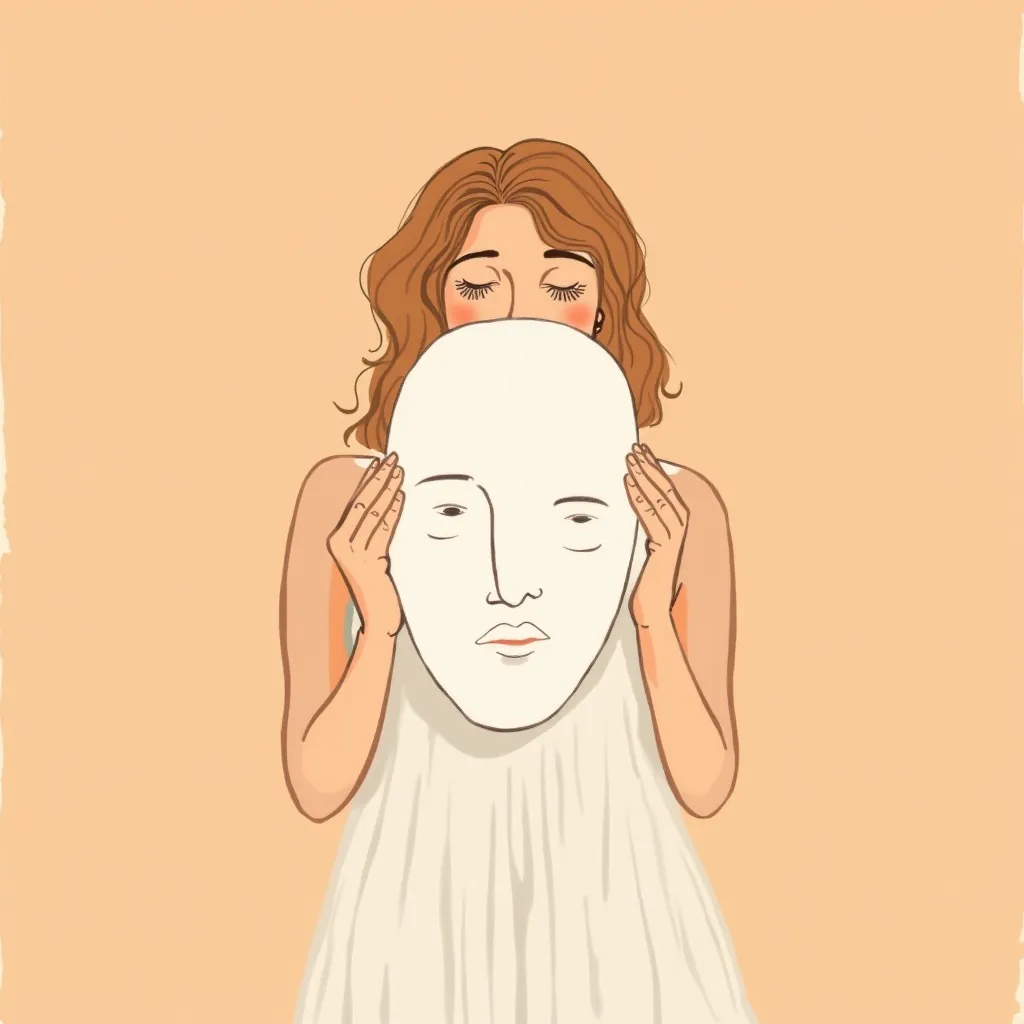
The Bully In Her Head

“You drop a bottle at the till and the voice starts: "Idiot. You can't do anything right."”

You drop a bottle at the checkout. It rolls under the counter. And before you've even bent down, the voice is already going. "Idiot. You can't do one thing right." The cashier didn't notice. You're still hearing it in the car.

That voice never takes a day off. Somebody says you look nice, and instead of "thank you," you think they're just being polite. You lie awake replaying a conversation from three days ago, finding all the ways you came off stupid. The other person forgot it that same night. You're still in it.

I worked with a woman I'll call Diane. That's not her real name. She came to me worn out, not from her job, but from herself. She told me, "It's like having someone in my head who doesn't like me. And they never shut up." She couldn't take a compliment to save her life. Every win, she'd find the flaw in it. Every small mistake, she'd carry for a week.

Here's the part she didn't see at first. That voice wasn't born in her. It was somebody else's. Her mother was never satisfied. Nothing Diane did was ever quite good enough, and the words her mother used became the words Diane used on herself. The voice moved in and started talking in her mother's tone. She'd been doing her mother's old job for thirty years, for free, every single day.

The cost was quiet but it was everywhere. She settled for less because the voice told her that's all she was worth. She couldn't rest. A good day still ended with "could've done better." She was tired in a way sleep doesn't fix.

So I asked her one thing. "Diane, if a little girl you loved made that same mistake at the checkout, would you lean down and call her an idiot?" She went quiet. Then she said, "No. God, no. I'd tell her it's fine." I said, "Then why is it fine to say it to you?"

That was the turn. Not a big speech. Just one question she couldn't answer.

The first step was small enough to do on her worst day. She didn't try to silence the voice, you can't, and trying just makes it louder. She learned to catch one line a day. Just notice it. "There it is again." And then answer it once, the way she'd answer it for that little girl. "That's not true. That was a small thing. Move on."

It was wobbly. Some days she caught nothing. Some days she caught the line and didn't believe her own answer. She'd backslide, hear her mother's voice win, and feel like she'd gotten nowhere. But she kept catching one line. One a day. That was the whole job.

The voice didn't vanish. That's not the deal, and I won't lie to you and say it is. But it got quieter. It lost its grip. These days Diane says something I love. "I try to be my own best friend. I'm the one person who's always there. I wouldn't talk to a friend the way I used to talk to me, so I stopped."

She makes a mistake now and she just moves on. Somebody pays her a compliment and she lets it land for a second instead of swatting it away. She's not perfect at it. Most days, though, she's on her own side. And quietly, she believes the same thing about God that she's learning about herself: she was never the junk that voice said she was.

What it taught her

That cruel voice isn't the truth about you. It's just an old voice that moved in. You're allowed to talk back.

Who she is now

She's on her own side now. She makes a mistake, she lets it go, and she treats herself like someone she actually loves.

If that voice never shuts up, you don't have to fight it alone. Talk to Zane, or start the free 7-Day Reset, and learn how to answer it back.

Find which one is you → Talk to Zane

The Impostor

The Woman Everyone Leaned On

“Everyone calls you the strong one. You're sure it's an act — and one day they'll find out.”

People called her the strong one. The capable one. The one who had it all together.

She knew it was an act. And she lived in quiet fear of the day someone would catch her without it.

Let me tell you about a woman I worked with. I'll call her Tara — not her real name. But what she carried is real, and you might know it better than you'd like to.

From the outside, Tara had it handled. She ran the home, ran the calendar, showed up to church with a smile, answered "I'm fine" before anyone finished asking. People leaned on her. "I don't know what we'd do without you," they'd say.

Underneath, she was sure she'd fooled all of them.

It started young. As a girl she got picked on, made to feel she didn't quite fit. So she learned early: if you can't be enough, look enough. She got very good at the looking. She worked twice as hard as anyone so no one would ever see the crack. A win was never proof she was good — it was proof she'd gotten away with it one more time.

The cost showed up at home, where nobody was watching. At work, at church, in the group chat, she was calm and capable. The second the door closed, she came apart. She'd sit in the car in the driveway, not ready to walk in and be "on" again. She was tired in a way sleep didn't touch. And the faith part scared her most — she could pray out loud, say the right things, and still feel like a fake Christian wearing a godly mask. She figured even God could see the fraud underneath.

The turn came on an ordinary day. A friend, meaning it as the kindest thing, called her "a rock." And Tara felt the floor drop. Because right then she saw it plain: if the best thing they could say about her was something she didn't feel was true, then they didn't really know her. The whole thing was a costume. And she was so tired of wearing it.

So she did one small thing — the bravest thing I've watched anyone do.

She told one safe person one true sentence. Not a speech. Not a confession of everything. Just: "I'm not actually okay. I've been pretending for a long time." One honest line, to one person she trusted.

She braced for the mask to be ripped off, for the friend to back away. Instead the friend's shoulders dropped. "Me too," she said.

The climb after that was not clean. She'd say one real thing and then spend a day sure she'd ruined everything. Some days she slid right back into performing — it was a reflex thirty years deep. But each honest moment cost her a little less. She stopped polishing every text. She let one friend see the messy house. She told God the doubt out loud instead of hiding it, and the strange thing was she felt closer to Him, not further. The lying was the heavy part. Setting it down let her breathe.

Tara isn't "fixed." She's just done performing. She still gets called capable, but now it lands as true, because the people saying it have actually met her. She walks into a room — church, work, her own kitchen — and gets to just be there. No costume. She says she didn't realize how much she missed being herself.

Here's what she'd want you to know: the exhausting part was never the real you. It was the hiding. You can put that down.

If you're the rock, the one who's sure she's fooled everyone — you don't have to keep proving you're real. Zane has sat with hundreds of women who took the mask off slowly, safely, on their own terms. Talk to him, or start the free 7-Day Reset, and feel what it's like to be known instead of admired.

What it taught her

The exhausting part was never the real you. It was the hiding.

Who she is now

She stopped performing, and the people who call her strong have finally actually met her.

You don't have to keep proving you're real — talk to Zane or start the free 7-Day Reset and feel what it's like to be known, not just admired.

Find which one is you → Talk to Zane
Her Own Woman

The Woman Who Came Back

“She bought the bold lipstick. Wore it to the grocery store. Didn't check the mirror twice.”

There's a small thing Carol does now that tells you everything.

When someone waits on her, she doesn't say sorry. She says, "Thank you for being patient." No flinch. No little apology folded into her voice like she used to. She just says it, easy, and moves on.

I want to tell you about her. I'll call her Carol. That's not her real name, but the story is real, and so is she.

When I first knew Carol, she was the woman who said sorry for everything. Sorry for taking up the seat. Sorry for asking the question. Sorry for being tired. She gave more than she got for twenty years and called it love, and somewhere in there she lost the thread of who she was. She'd stand in the kitchen at night and not be able to picture the last time she felt like herself. She told me once, plain, "I don't know who I am anymore." Most women carrying this never say it out loud. She did.

The old weight was heavy and it was quiet. Nobody saw it. She made everyone's plate before her own, every single day, and went to bed empty. She'd put the real her in a box and shoved it under the bed years back, and the box stayed shut so long she forgot it was there.

Here's how she came back. Not all at once. Not some big day where the sky opened.

She started stupidly small. She made her bed. That was it, day one. Then she made her bed and kept her one promise to drink a glass of water before her coffee. Tiny things. The kind of things that sound like nothing. But every time she kept one, it was a little vote that she could trust herself again. The votes started to add up. She told one friend no without an excuse and the world didn't end. She put on real clothes on a Tuesday for no reason. She stopped scrolling the app that made her feel behind everyone.

None of it was dramatic. All of it was hers.

What's different now. She wakes up and doesn't dread it. Not every day, she'd want me to tell you that. Some mornings still land heavy. But most days, she gets up and the day belongs to her. She goes to the store in sweatpants and she does not care who sees. She bought a bold lipstick last month, a color she'd never have dared, and she wears it to nothing special. She says no without the long apology after it. She can be in the same room as the people who once made her small, and they barely move her now. That's the real proof. Not that she cut them off. That they lost their grip on her day.

Who she is now. She's her own woman. She likes herself. She said that to me a while back, almost surprised by it: "I like who I am. I like where I'm going." She quit performing for a roomful of people who were never going to clap. She got honest, and being honest turned out to be light. She leans on God, quiet, most days, and she'll tell you straight she's still a work in progress and that's fine. The weight didn't vanish. She just got stronger than it.

The lesson is this: you don't get yourself back by trying harder to be good for everyone. You get yourself back one small kept promise at a time, until one ordinary morning you realize how much you missed you.

If you're reading this and you're already most of the way there, almost home, don't stop now. The last stretch is the one where it sticks.

What it taught her

You don't get yourself back by being good for everyone. You get her back one small kept promise at a time.

Who she is now

She wakes up most days glad to be herself, says no without apologizing, and the people who once shrank her barely move her now.

You're almost home, and the last stretch is where it sticks. Talk to Zane, or take the free 7-Day Reset and keep the small promises that brought you this far.

Find which one is you → Talk to Zane